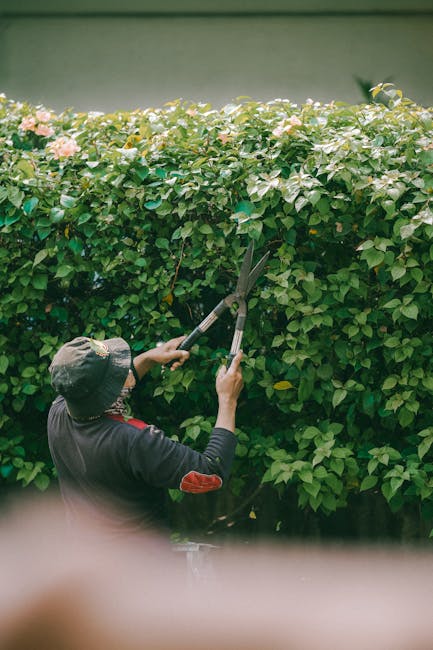
Avoid common mistakes when hiring South Wimbledon gardeners

Hiring a gardener should make life easier, not create fresh headaches. Yet that is exactly what happens when people rush the process, skip the basics, or assume every garden professional will be a neat fit for their space. If you want to avoid common mistakes when hiring South Wimbledon gardeners, the smartest move is to slow down for a moment and check the things that really matter: experience, insurance, clarity, safety, and whether the service matches the job in front of you.
South Wimbledon gardens can be surprisingly varied. One street might have a compact courtyard that needs regular care, while the next has a larger lawn, mature hedging, or a tired patio begging for attention. The wrong hire can mean poor plant care, hidden costs, or work that simply does not last. This guide walks you through the practical pitfalls to avoid, how to compare gardeners properly, and what good service should look like in real life. A little attention at the start saves a lot of regret later.
Why Avoid common mistakes when hiring South Wimbledon gardeners Matters
Hiring the wrong gardener is not just an inconvenience. It can affect the health of your planting, the appearance of your home, your budget, and even safety around the property. In a place like South Wimbledon, where gardens can be used for family time, entertaining, pet-friendly spaces, or just a bit of peace after work, the standard needs to be more than "someone with a mower."
One of the most common errors is treating garden work as if it were all the same. It is not. A one-off tidy-up is very different from regular garden maintenance, and hedge reduction has different considerations again. The same goes for lawn care, patio cleaning, tree work, or fencing repairs. If you hire somebody without matching the task to the right skill set, you can end up paying twice: once for the job, and again to correct it.
There is also a trust issue. Gardeners work around your home, plants, tools, gates, side access, and sometimes delicate surfaces. You want someone who respects the property and communicates clearly. That sounds obvious, but let's face it, obvious things get missed all the time when people are in a hurry and the weather is looking grim.
Good hiring decisions matter because they give you consistency. Consistency means your hedges grow cleanly, your borders are kept in shape, and the garden feels looked after rather than repeatedly rescued. That is the difference between maintenance and constant firefighting.
How Avoid common mistakes when hiring South Wimbledon gardeners Works
The hiring process should be simple, but not careless. First you identify what kind of help you actually need. Then you compare gardeners based on suitability, not just price. After that, you confirm the scope, timing, and expectations before any work begins. Straightforward? Yes. Skipped? Frequently.
A sensible process usually starts with a review of the work required. For example, do you need weekly mowing, seasonal hedge trimming, a one-off tidy, or a broader landscaping project? A gardener who excels at routine lawn mowing may not be the best fit for a larger replanting plan or structural changes. If you need a broader range of help, it can make sense to explore gardening services rather than assume every task sits under one umbrella.
Next comes communication. A reliable gardener should ask questions before quoting. Things like garden size, access, waste removal, preferred frequency, problem areas, pets, steep slopes, and any fragile features all matter. If they do not ask, that is not always a red flag, but it is worth noticing. In our experience, the best garden jobs begin with a short conversation, not a vague promise.
Finally, the work should be agreed clearly enough that both sides know what "done" looks like. This is where people often go wrong. They hear a price and assume everything is included. Or they assume hedge cuttings will be removed, or that the patio will be jet washed, or that edging is part of the lawn price. Better to clarify now than argue later.
Key Benefits and Practical Advantages
Choosing the right gardener is not only about avoiding disaster. It creates a better outcome all round. You get healthier plants, cleaner lines, less waste, and a garden that feels usable rather than neglected. There is something very calming about walking out on a crisp morning and seeing everything clipped, swept, and in balance. That first impression matters more than people admit.
- Better value over time: good workmanship lasts longer, which often reduces repeat fixes.
- Cleaner communication: a good gardener explains what is included and what is not.
- Lower risk: insured, safety-conscious work is especially important for tools, ladders, and larger jobs.
- More suitable care: lawns, hedges, borders, trees, and hard landscaping each need different handling.
- Less stress: once expectations are set, you are not chasing updates or wondering what has been forgotten.
There is also a practical benefit that often gets overlooked: better scheduling. A dependable gardener will work in seasons, not just in the moment. For example, hedge trimming, lawn feeding, and winter tidy-ups all work better when timed sensibly. If you want to keep a property looking good throughout the colder months, it is worth reading strategies to maintain a lush garden even during winter alongside your hiring plan.
And if your outside space is small or tricky, the right professional can make it feel twice as useful. That can be through planting choices, structure, or clever use of space. The main point: good gardening is not just maintenance, it is decision-making with muddy boots.
Who This Is For and When It Makes Sense
This advice is for homeowners, tenants with permission to improve a garden, landlords, property managers, and anyone who wants the outdoor space to look cared for without wasting money. It also helps if you are new to hiring gardening help and do not yet know what "reasonable" looks like in practice.
It makes sense to be extra careful if your garden has any of the following:
- heavy hedge growth or mature shrubs
- a lawn that needs ongoing attention
- paved areas that collect moss and dirt
- trees that need pruning or assessment
- fencing that affects privacy or safety
- slopes, narrow access, or awkward side entrances
- pets, children, or frequent visitors using the space
If you are looking for a one-off tidy before an event, you may want a different approach from someone needing monthly support. Likewise, if the aim is to restore a neglected garden, it is helpful to review finding the beginning of your garden restoration before you book. Restoration work often uncovers hidden issues, and those should be planned rather than improvised.
This is also the right guide for anyone who has had a poor experience before. Maybe the gardener turned up late, quoted loosely, or left the site messier than expected. Been there, sadly. A better process usually starts with better questions.
Step-by-Step Guidance
Here is a simple way to hire with less stress and better results.
- Define the job clearly. Write down exactly what you need: mowing, hedge trimming, weeding, pruning, clearance, patio cleaning, or ongoing maintenance. If the job is mixed, split it into parts.
- Check the scope against the property. Note access, size, surface types, water points, and any risks. A garden with decking, children's play equipment, or pet areas needs different planning from a plain lawn.
- Ask about relevant experience. Someone who handles soft landscaping may not be the best choice for tree surgery, and someone focused on tidy-ups may not be ideal for structural garden changes.
- Request a proper quote. A trustworthy quote should explain what is included, any extras, the frequency if ongoing, and how waste or materials are handled. If cost is a concern, review pricing and quotes so you know what to ask for.
- Check insurance and safety. Garden work often involves tools, ladders, sharp equipment, chemicals, or awkward lifting. You want reassurance that the business thinks about safety, not just speed.
- Confirm scheduling and communication. Agree on arrival windows, seasonal timing, how to handle weather delays, and who you contact if plans change.
- Put key details in writing. Even a simple written summary helps prevent misunderstandings. It does not need to be dramatic, just clear.
- Review the first visit carefully. Pay attention to punctuality, tidiness, plant care, and whether the gardener followed the brief. The first job tells you a lot.
A small but useful habit: take a few photos before work starts. Not because you are expecting trouble. Just because memory is unreliable, especially once someone has moved pots and cut back a hedge. The photos make it easier to compare results later.
Expert Tips for Better Results
If you want a smoother experience, look beyond the obvious. Price matters, yes, but it should not be the only measure. In the real world, the cheapest option can become the most expensive if it needs correcting or replacing after a poor cut, a missed area, or sloppy cleanup.
One useful tip is to ask how the gardener approaches seasonal work. Good gardeners plan ahead. They know when a lawn needs more than a quick mow, when hedges should be left alone, and when wet weather means scaling back rather than forcing a job. That kind of judgement is hard to fake for long.
Another tip: pay attention to how they talk about your garden. Do they ask about soil, shade, drainage, pets, and the way you actually use the space? Or do they jump straight into a fixed package? The best fit is usually the person who listens first. Strange how rare that can be.
If you have specific goals such as privacy, shelter, or a calmer feel, it helps to think beyond maintenance. A gardener who understands planting structure can suggest options like screening hedges, climbers, or layered borders. For example, privacy ensured by these quickly growing hedges is a useful topic if you are trying to turn a visible garden into a more enclosed retreat.
And if you love the look of a garden but have very little room, the right professional will adapt rather than insist on grand designs. Small spaces can still be clever, layered, and surprisingly green. The same goes for low-maintenance planting. The goal is not to impress a catalogue. It is to make the garden work for your life.
Common Mistakes to Avoid
This is the part that saves money. Most hiring problems come from a handful of familiar mistakes, and they are easy to recognise once you know them.
- Choosing only on price. The cheapest quote may leave out waste removal, materials, or cleanup. Or it may simply reflect inexperience.
- Not defining the work. "General garden tidy" sounds simple, but it means different things to different people.
- Ignoring insurance and safety. If tools are used near glazing, decking, pets, or public-facing areas, safety should be discussed, not assumed.
- Assuming the gardener knows your priorities. A tidy lawn is not the same as a wildlife-friendly border, and neither is the same as a hard-pruned hedge.
- Skipping references or reviews. Even a short conversation about previous work is better than blind trust.
- Not asking about waste. Cuttings, soil, and green waste can create surprise costs if removal was not included.
- Hiring the wrong specialist. Lawn care, landscaping, hedge trimming, fence repairs, and tree work are related, but not interchangeable.
- Changing the brief halfway through. It happens, of course, but if the job changes, the quote may need to change too.
- Failing to confirm access. Locked side gates, shared entrances, parking problems, and narrow paths can all affect the job.
- Not checking the company's policies. Terms, payment handling, complaints, and safety standards are worth reading before you book.
One of the sneakiest problems is vague enthusiasm. A gardener sounds lovely on the phone, so you relax and assume all is well. Then the quote arrives with missing detail, and later you are asking why the patio edge was not done. It happens more often than anyone wants to admit.
Tools, Resources and Recommendations
Even if you are hiring someone else, it helps to understand the practical side of the work. That makes it easier to judge whether a gardener is properly equipped, and whether the service is realistic for your garden.
Useful things to look for include:
- Professional-grade hand tools and cutting tools for tidy, precise work
- Leaf and waste management equipment for cleaner clear-ups
- Lawn care tools for regular mowing, edging, and finish work
- Access and safety equipment for ladders, awkward corners, or taller growth
- Clear notes or photos to help explain the brief
If you are the sort of person who likes to be involved, it can also help to read practical gardening advice before the appointment. For example, the ultimate collection of tools for the gardening buff is a good reminder of how much the right equipment affects the quality of the result. Likewise, if you are thinking about sustainability, organic waste alchemy and soil enrichment techniques can help you understand what healthy garden waste handling can look like.
For specific service types, these pages are useful starting points:
- lawn mowing for routine grass cutting
- lawn care for healthier turf over time
- patio cleaning for grimy or slippery paving
- hedge trimming in South Wimbledon for shaped, controlled growth
- landscaping for larger design or structural changes
And if you want a broader picture of the company before making contact, the about us page is a sensible place to start. Small detail, but useful.
Law, Compliance, Standards, or Best Practice
Gardeners working on private property in the UK should still operate with professional care around safety, insurance, waste handling, and fair terms. You do not need to become a lawyer to hire well, but you should expect a few basics to be in place. That includes clear pricing, honest descriptions of work, and sensible handling of risk.
For jobs involving ladders, sharp tools, power equipment, or tree work, safety is not optional. Good practice means the gardener understands the hazards and takes steps to reduce them. If the work involves larger branches, unstable growth, or anything that could affect property boundaries, tree care should be handled with proper caution and the right level of competence.
It is also wise to look for transparency around payments and agreements. A reputable business should make it easy to understand how payment is handled and what the rules are if work changes. Reading pages such as payment and security, terms and conditions, and health and safety policy gives you a better sense of how seriously the business treats those basics.
If problems do arise, a formal complaints route is reassuring rather than threatening. It shows the business has thought about how to handle issues properly. That is why pages like complaints procedure and insurance and safety are worth checking before you commit. Nobody wants to use them, obviously, but knowing they exist matters.
For greener choices, there is also a growing expectation that garden waste and materials are handled responsibly. You do not need every job to be an environmental statement, but sensible reuse, composting where appropriate, and minimal waste are good signs. If that matters to you, the page on the ecobenefits of climate-conscious gardening is a helpful companion read.
Options, Methods, or Comparison Table
Different garden jobs call for different hiring approaches. Here is a simple comparison that can help you choose the right path without overthinking it.
| Hiring option | Best for | Main advantage | Potential drawback |
|---|---|---|---|
| One-off tidy-up | Seasonal reset, pre-event prep, neglected borders | Fast and flexible | May not solve ongoing issues |
| Regular maintenance | Lawn mowing, weeding, edging, general upkeep | Consistent presentation | Requires ongoing budget and scheduling |
| Specialist service | Hedges, trees, fencing, patios, decking, landscaping | Better technical fit | Less suited to mixed small tasks |
| Project-based work | Redesigns, restoration, layout changes | Clear goal and outcome | Needs careful scoping and planning |
If you are trying to decide between routine care and a larger refresh, read budget-friendly garden approaches and vertical gardening techniques for small spaces for ideas that work well in modest South Wimbledon gardens. Small changes can deliver a lot more than people expect.
Case Study or Real-World Example
A South Wimbledon homeowner with a medium-sized rear garden wanted a simple spring refresh. The first quote they received sounded ideal, but it did not say whether hedge cuttings would be removed, whether the patio would be swept, or whether the lawn edge would be finished. They nearly booked it anyway because the price looked neat on paper. To be fair, that is the classic trap.
Instead, they took a more careful approach. They listed the tasks: front hedge trim, rear lawn cut, border weed removal, and a light patio tidy. They asked how long the work would take, whether waste removal was included, and what would happen if the weather turned wet. They also checked the business's approach to safety and complaints, which gave them more confidence.
The result was not dramatic, and that is the point. The first visit went smoothly, the garden looked finished rather than half-done, and the homeowner knew exactly what to expect next time. No surprises. No awkward texts afterwards. Just a better process, really.
That kind of outcome is common when the brief is clear. The garden looked cleaner, sure, but the bigger win was peace of mind. You should not need a detective hat to hire someone to cut a hedge.
Practical Checklist
Use this before you book.
- Have I written down the exact jobs I want done?
- Do I know whether this is one-off, seasonal, or ongoing work?
- Have I checked whether the gardener's experience matches the task?
- Have I asked what is included in the quote?
- Do I understand whether waste removal, materials, and cleanup are included?
- Have I looked at safety, insurance, and payment information?
- Have I confirmed access, parking, and any property quirks?
- Have I mentioned pets, children, or delicate surfaces?
- Do I know how to contact the business if something changes?
- Have I chosen the option that suits the garden, not just the cheapest price?
If you can tick most of those off, you are in a much stronger position than the average customer. And honestly, that small bit of prep can save hours later.
Conclusion
The best way to avoid common mistakes when hiring South Wimbledon gardeners is to treat the process like a practical decision, not a quick guess. Define the work, match the task to the right service, ask clear questions, and check the details that protect your budget and your property. That approach works whether you need simple maintenance, seasonal hedge cutting, or a bigger garden refresh.
Good gardeners make life easier because they bring order, timing, and judgment to outdoor spaces that can otherwise drift into chaos. The right hire should leave you feeling calmer, not busier. And if you take nothing else from this guide, take this: clarity upfront is worth far more than a bargain that comes with fine print.
Get a free quote today and see how much you can save.
When you are ready, choose carefully, ask the obvious questions, and trust the process. A well-kept garden has a way of giving that care back, quietly, every single day.
Frequently Asked Questions
What should I ask before hiring a gardener in South Wimbledon?
Ask what services they offer, what is included in the price, whether waste removal is covered, how they handle safety, and whether they have experience with the type of garden work you need. The more specific your questions, the better the match tends to be.
How do I know if a gardener is reliable?
Reliability shows up in the small things: clear communication, punctual replies, a sensible quote, and a willingness to explain the work. If the first conversation feels vague or rushed, that usually does not improve later.
Is it better to hire for one-off work or regular maintenance?
It depends on the garden and your goals. One-off work suits seasonal tidy-ups or a neglected space, while regular maintenance is better if you want the garden to stay in shape all year. Many people use both at different times.
Why is insurance important when hiring a gardener?
Garden work can involve tools, ladders, heavy lifting, sharp edges, and work near glass, paving, or decking. Insurance is one of the basic signals that a business takes those risks seriously and is prepared to deal with problems properly.
Should I always choose the cheapest quote?
No. The cheapest quote can be fine, but only if it clearly covers the same work as the others. Look at what is actually included, not just the headline number. A slightly higher quote with better clarity is often better value.
What are the most common hidden costs?
Waste removal, extra materials, additional labour for overgrown areas, and unexpected access issues are common examples. If you have a tricky garden, mention it early so the quote reflects reality rather than wishful thinking.
Can one gardener handle mowing, hedge trimming, and patio cleaning?
Sometimes, yes. But the right fit depends on experience and equipment. If the job is mixed, ask whether they provide broader gardening services or whether they specialise in only one area.
How often should garden maintenance be booked?
That depends on the growth rate, the season, and how tidy you want the space to stay. Fast-growing hedges and lawns usually need more frequent attention in spring and summer than in colder months.
What if I need help with a larger garden project?
If the work involves layout changes, planting structure, paths, or bigger visual changes, look for someone with landscaping experience rather than only routine maintenance skills. A project needs planning, not just effort.
How can I prepare my garden before the first visit?
Clear access paths, move delicate items, note problem areas, and mention pets or restricted spaces. A few photos can also help if you are not on site when the job begins. Simple, but helpful.
What should a professional quote include?
A good quote should explain the work scope, any extras, frequency if ongoing, cleanup expectations, and how changes will be handled. If anything feels too brief, ask for it in more detail before you agree.
Where can I learn more about the company before booking?
Start with the about us page, then review the relevant service pages, policies, and pricing information. That gives you a much clearer sense of how the business works and whether it feels right for you.