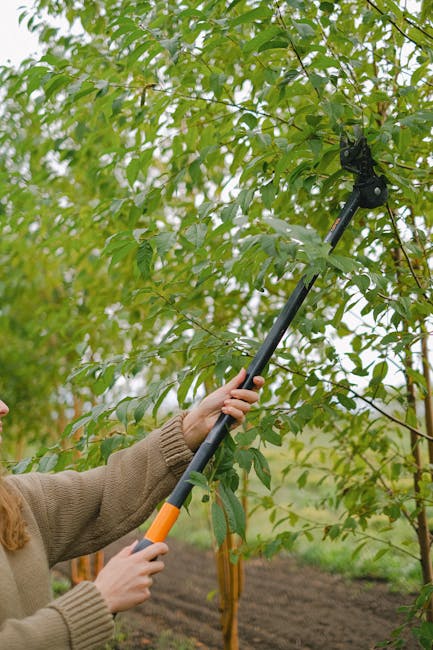
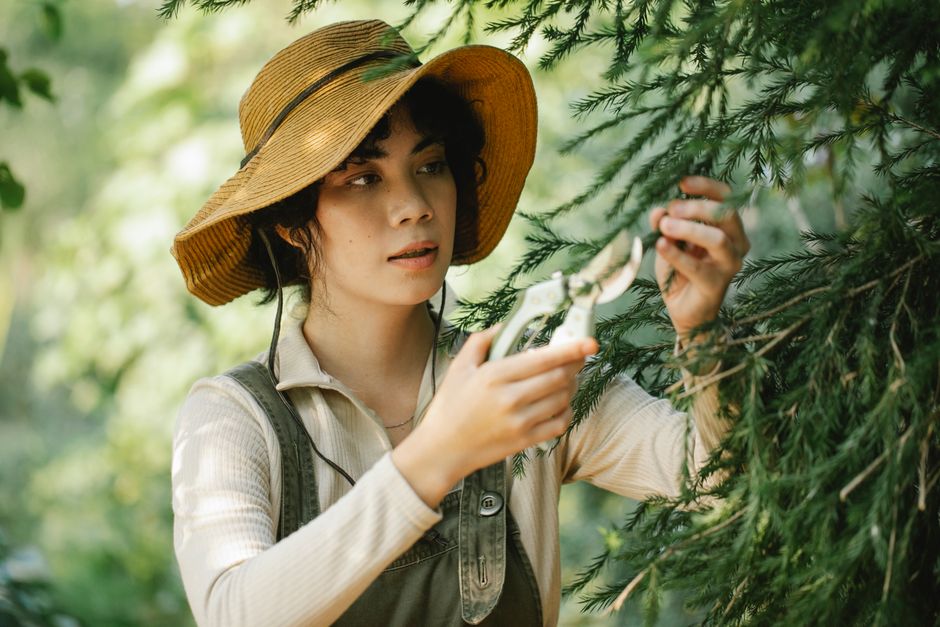
Merton Council tree pruning rules for local gardeners: a practical guide for safe, sensible work
If you garden in Merton, tree pruning can feel straightforward right up until it isn't. One branch over the fence, one overgrown crown, one protected tree you didn't realise was protected, and suddenly a simple weekend job gets complicated. This guide explains Merton Council tree pruning rules for local gardeners in plain English, so you can prune with confidence, avoid common mistakes, and know when to bring in a professional. It is written for real gardens, real neighbours, and real weather - the sort of damp, leafy, slightly awkward jobs that tend to turn up on a Saturday morning.
Whether you manage a small back garden or a larger plot with mature trees, the key is not just cutting well, but cutting lawfully and safely. You will find the essentials here: how council controls usually work, what local gardeners need to check first, how to protect tree health, and when a task is better left to specialist help. If you also need broader garden support, you may find our garden maintenance services useful alongside tree work.
And yes, trees can be a bit dramatic. They grow where they like, they drop things when they please, and they seem to know exactly when you've just swept the patio.
Table of Contents
- Why Merton Council tree pruning rules for local gardeners matters
- How the rules work in practice
- Key benefits and practical advantages
- Who this is for and when it makes sense
- Step-by-step guidance
- Expert tips for better results
- Common mistakes to avoid
- Tools, resources and recommendations
- Law, compliance, standards and best practice
- Options, methods and comparison table
- Case study or real-world example
- Practical checklist
- Conclusion
- Frequently asked questions
Why Merton Council tree pruning rules for local gardeners matters
Tree pruning is not just a gardening task. In Merton, as in the rest of London, it can overlap with planning controls, tree protection, neighbour relations, safety duties, and wildlife considerations. That sounds like a lot, but in practice the message is simple: before you cut, check what the tree is, where it sits, and whether any formal restrictions apply.
For local gardeners, the biggest issue is usually uncertainty. A tree may look ordinary, but it could be subject to a Tree Preservation Order, sit in a conservation area, or form part of a boundary responsibility shared with a neighbour. Cut too much, cut at the wrong time, or remove a branch without checking ownership, and the job can become messy very quickly. Truth be told, most problems come from rushing, not from pruning itself.
There is also the practical side. Good pruning improves light, air movement, structure, and safety. Poor pruning can leave wounds that invite disease, weaken the tree, or create unstable regrowth. If your aim is to keep a garden tidy while protecting the tree's long-term health, the rules matter because they guide what is sensible, not just what is legal.
Expert summary: The safest approach in Merton is to identify the tree, confirm whether it is protected, prune only what is necessary, and keep records of what you did. Simple, but effective.
How Merton Council tree pruning rules for local gardeners works
The exact route depends on the tree and the site. In general, local gardeners should think in three stages: ownership and protection status, the type of work needed, and the method of work itself. That sequence saves a surprising amount of trouble.
1. Check who owns the tree
If the tree is entirely within your property, you are usually the person responsible for it. If it stands on a boundary, responsibility may be shared. If it leans over from next door, you can often only prune back to the boundary line and only in a way that does not damage the tree unnecessarily. A quick, polite conversation with a neighbour can avoid a lot of nonsense later.
2. Check whether the tree is protected
Some trees are protected by formal controls. In practical terms, this means that even work you think is minor may require approval or notice before you begin. Gardeners should never assume that a tree is unprotected just because it looks common or is in a private garden. The appearance of a tree tells you very little on its own.
3. Decide what kind of pruning is needed
There is a big difference between light formative pruning, crown thinning, crown reduction, deadwood removal, and cutting back overhang. Each has a different purpose and different risk profile. For example, removing a dead branch is usually about safety, while a heavy reduction is about managing size or weight. If the work is wrong for the tree's species or condition, the result can look tidy at first and then fail later. Trees are patient like that.
4. Use a proportionate method
Merton Council tree pruning rules for local gardeners are best understood as a framework for proportionate, justified work. That means pruning only what you need, retaining the tree's natural shape where possible, and avoiding severe cuts unless there is a real reason. If you are working on a mature tree near a path, road, or structure, the risk level goes up and so should the care.
If the tree work is part of a wider garden tidy-up, it can make sense to combine it with garden clearance support or broader gardening services, especially where debris, brash, and green waste need to be handled safely.
Key benefits and practical advantages
Following the correct pruning approach is not just about staying out of trouble. It makes the garden better, and you feel that benefit almost immediately.
- Healthier trees: Correct cuts reduce the chance of tearing, decay, and stress.
- Better light: Carefully managed crowns can let more daylight into lawns, borders, and patios.
- Improved safety: Deadwood and weak limbs are less likely to cause damage in wind or rain.
- Cleaner garden structure: Neater tree form helps the whole garden look more deliberate and less neglected.
- Fewer neighbour issues: Clear communication around boundaries and overhangs avoids awkward disputes.
- More efficient maintenance: A well-pruned tree usually needs less drastic intervention later on.
There is also a financial angle. A measured pruning job is often less expensive than corrective work after a bad cut. Heavy topping, for instance, can trigger dense regrowth that creates more work next year. That is the sort of hidden cost people forget when they are holding the saw and thinking, "I'll just take a bit more off."
For householders comparing options, it may help to review pricing and quotes so you can judge whether a small tidy-up or a more involved tree surgery visit is the better fit.
Who this is for and when it makes sense
This guidance is especially useful for local gardeners, landlords, homeowners, and anyone managing routine outdoor work in Merton. It is also relevant if you look after a front garden visible from the street, a shared rear boundary, or a mature tree that has started interfering with fences, sheds, or a nearby driveway.
You may need to act sooner if the tree is:
- dropping dead branches
- blocking access or light in a meaningful way
- touching roofs, gutters, or utility lines
- growing too close to a fence or boundary
- showing signs of poor structure, decay, or previous bad pruning
This is also the point where many gardeners decide whether the job is really a pruning job or something closer to specialist tree work. If the tree is large, awkwardly placed, or visibly stressed, you may be better off using tree surgery services rather than trying to manage it with ladders and wishful thinking. To be fair, ladders and overconfidence have ruined many a decent Saturday.
If the work is mostly about reducing size, reshaping, or removing problematic sections, then tree lopping and removal support may be the more suitable route, especially where a tree is beyond simple maintenance.
Step-by-step guidance
Here is a practical, no-fuss way to approach pruning in Merton without making avoidable mistakes.
- Identify the tree species. Different trees respond differently to cuts. Some tolerate pruning well; others do not appreciate heavy intervention.
- Check the location. Note whether the tree is in a private garden, on a boundary, near a road, or close to shared access.
- Confirm protection status. If you are unsure whether the tree is protected, treat it as potentially protected until checked properly.
- Decide the aim. Are you removing deadwood, improving shape, reducing risk, or controlling size? The purpose should drive the cut.
- Choose the right season. The best timing depends on species, nesting activity, and the result you want. Timing matters more than many people realise.
- Make clean, small cuts where possible. Avoid ragged tears and avoid removing large amounts in one go unless a professional has advised it.
- Dispose of waste properly. Branches, leaves, and brash need handling, and this is where a tidy-up can become a bigger job than expected.
- Record what you did. A few photos and notes are helpful if questions come up later, especially with neighbours or a council enquiry.
If your pruning turns into a larger seasonal tidy, combining it with hedge trimming or regular maintenance can keep the whole garden under control rather than fixing one issue at a time. That tends to feel calmer, and calmer is underrated.
Expert tips for better results
Here is where a little field experience helps. The difference between a decent prune and a poor one is often in the details.
- Prune with the tree's shape in mind. A tree should still look like a tree afterwards, not a badly balanced umbrella.
- Step back often. Cut a little, look up, and then look again from the path or patio. Perspective helps more than people think.
- Keep cuts selective. Removing too much at once can stress the tree and encourage weak regrowth.
- Watch for nesting or wildlife signs. If you see active nesting, pause and reassess rather than forcing the job through.
- Use the right tools. Clean, sharp tools make cleaner cuts and reduce damage.
- Prioritise dead, diseased, or rubbing branches. Those usually deserve attention before cosmetic shaping.
A simple rule of thumb: if a cut is only being made because you "might as well" take a bit more off, stop there. That is the moment where sensible pruning becomes casual damage. Happens all the time, honestly.
For awkward or heavy waste, it can be worth planning the aftermath too. Services like recycling and sustainability guidance can help you think through green waste handling in a more responsible way, especially if the job produces a lot of clippings and branches.
Common mistakes to avoid
Most pruning problems are predictable. That is good news, because predictable mistakes are preventable.
- Assuming a tree is unprotected. Never assume. Check first.
- Topping the tree. Cutting the top flat is rarely good practice and can create weak regrowth.
- Removing too much at once. Heavy reduction can shock the tree and spoil its structure.
- Ignoring boundary ownership. If part of the tree belongs to someone else, you need to be careful about how far you go.
- Using blunt or dirty tools. Poor cuts heal badly.
- Working unsafely from a shaky ladder. This is one of those moments where a professional call is cheaper than a fall.
- Forgetting waste disposal. A pile of branches can block access and become a nuisance fast.
There is also a softer mistake: pruning for neatness alone when the tree is actually trying to tell you something. Sparse growth, dieback, and unusual lean are all clues. They are not dramatic in the moment, but they matter.
Tools, resources and recommendations
You do not need a shed full of specialist equipment for every job, but you do need the right basics. A small hand saw, secateurs, loppers, gloves, and eye protection cover many garden tasks. For anything larger, stability and reach become more important than brute force.
Useful practical considerations include:
- Sharp cutting tools: cleaner cuts and less tearing
- Protective gloves and eye protection: basic, but essential
- Stable access equipment: only if the ground and task really justify it
- Waste sacks or a trailer plan: because the debris appears faster than expected
- Photos before and after: good for records and useful if there is later disagreement
If you are comparing professional support, it helps to understand the broader service mix. In some cases, general gardening services are enough. In others, you need a more technical approach from tree surgery. And if the tree is simply overgrown and encroaching, hedge trimming and shaping can be part of the same tidy-up conversation.
If you need help with the wider garden after pruning, it may also be worth looking at lawn care, because a tree job often leaves a lawn a bit battered underfoot. Mud, footfall, twigs - the usual.
Law, compliance, standards and best practice
For Merton Council tree pruning rules for local gardeners, the safest practical mindset is to work in line with local tree controls, property boundaries, general safety duties, and accepted arboricultural best practice. That means checking whether the tree may be subject to a protection order, whether it sits in a conservation area, whether the work could affect wildlife, and whether the extent of the cut is proportionate to the issue.
If a tree is protected, you may need permission or prior notice before carrying out work. If a tree is shared or overhangs a neighbour's property, you should stay within what is legally and practically appropriate. And if the work creates a foreseeable risk - for example, large limbs over a path, unstable branches, or work at height - you should treat safety as part of compliance, not an afterthought.
From a best-practice point of view, the most respected approach is usually:
- inspect before cutting
- make the minimum necessary intervention
- use correct cuts rather than rough hacks
- avoid work during sensitive periods where nesting or disturbance is likely
- keep notes and photographs
- get specialist help when the tree is large, unstable, or protected
If you are hiring help, review the provider's health and safety approach and insurance and safety information before agreeing work. That is just sensible. Not glamorous, but sensible.
Options, methods and comparison table
Different pruning approaches suit different goals. The table below gives a straightforward comparison for local gardeners deciding what kind of intervention they need.
| Method | Best for | Risk level | Typical caution |
|---|---|---|---|
| Light pruning | General tidying, small shaping, removing a few crossed or awkward shoots | Low | Still avoid over-cutting and keep the natural form |
| Deadwood removal | Safety, appearance, and storm resilience | Low to medium | Check for hidden decay or brittle limbs before cutting |
| Crown thinning | Improving light and air movement | Medium | Needs restraint to avoid making the canopy sparse |
| Crown reduction | Managing size or weight in a controlled way | Medium to high | Should be carefully planned to protect the tree's structure |
| Tree removal | Tree is unsafe, unsuitable, or beyond practical pruning | High | Usually requires specialist assessment and a clear reason |
If you are unsure which method fits, start by asking: what problem am I trying to solve? Light? Safety? Access? Neighbour overhang? That one question usually tells you whether a small prune will do, or whether you need a more substantial solution. For difficult cases, a professional quote from tree lopping and removal specialists may be the clearest next step.
Case study or real-world example
A common local scenario goes like this. A homeowner in Merton notices that a mature garden tree is casting heavy shade over a small lawn and brushing against a fence line. The temptation is to cut back a lot in one go, especially after a windy spell when the branches look untidy and the hedge nearby is also getting shaggy.
The better approach is more careful. First, the tree is checked for protection and ownership. Then the deadwood is removed, a small amount of selective thinning is completed, and only the most problematic boundary growth is addressed. The result is not a bare canopy, just a lighter, healthier tree with more space around it. The fence remains intact, the lawn gets a bit more light, and the garden looks deliberate rather than hacked about.
That sort of job is often where local gardeners see the value of combining tree work with broader garden care. A follow-on visit for fencing repairs or patio cleaning may sound unrelated, but once branches, debris, and mud have been dealt with, the whole outdoor space tends to need a reset. Funny how one job becomes three, isn't it?
Practical checklist
Use this before you pick up the saw.
- Confirm whether the tree is yours, shared, or overhanging from next door
- Check whether the tree may be protected or otherwise controlled
- Decide the exact purpose of the pruning
- Inspect for dead, diseased, weak, or rubbing branches
- Check for signs of nesting or wildlife activity
- Choose the right tools and protective gear
- Keep cuts small and deliberate where possible
- Dispose of green waste responsibly
- Take before-and-after photos for your records
- Call a professional if the tree is large, awkward, or clearly beyond routine maintenance
If the checklist already feels like a lot, that is usually a sign the job may be better handled by a specialist rather than squeezed into a spare hour after lunch.
Conclusion
Merton Council tree pruning rules for local gardeners are really about balance: respect the tree, respect the boundary, respect the law, and do only what the situation genuinely calls for. When you get that balance right, pruning becomes less stressful and a lot more effective. The garden looks better, the tree stays healthier, and you avoid the kind of avoidable problems that can make a simple job feel like a headache.
In practical terms, the smartest gardeners in Merton are usually the ones who check first, cut second, and keep the bigger picture in mind. A tree is not just a thing to trim. It is part of the garden's structure, shade, privacy, and character. Treat it with a bit of care and it pays you back for years.
If you want help planning a safe, tidy, and compliant approach to pruning, consider exploring our wider service information on tree surgery and garden maintenance. A well-managed garden has a way of making everything else feel easier.
Get a free quote today and see how much you can save.
Frequently Asked Questions
Do I need permission to prune a tree in Merton?
Sometimes, yes. If the tree is protected or in a controlled area, you may need approval or to give notice before work begins. If you are unsure, treat the tree as if it may be protected until you have checked properly.
Can I cut back branches that hang over from my neighbour's tree?
Usually you can cut back overhanging growth to the boundary line, but you must avoid damaging the tree unnecessarily. It is also best to let your neighbour know first. A quick conversation can save a surprising amount of stress.
What is the safest time of year to prune?
That depends on the species and the reason for pruning. Some trees respond well at certain times of year, while others should be left alone during sensitive periods. If in doubt, choose timing carefully rather than rushing in.
What is the difference between pruning and topping a tree?
Pruning is selective and aims to improve structure, health, or safety. Topping is a heavy, blunt reduction of the crown and is generally poor practice because it can harm the tree and encourage weak regrowth.
How do I know if a tree is protected?
You usually need to check local records or ask the relevant authority before starting work. Visually, there is no reliable way to tell. A tree can look ordinary and still be protected.
Is deadwood removal always allowed?
Deadwood removal is often the least controversial form of tree work, but that does not mean you should skip checks. Protected trees and conservation settings can still have rules about what you may do and when.
Should I hire a tree surgeon or can I do it myself?
If the tree is small, accessible, and clearly unprotected, a competent gardener may manage light pruning. If the tree is large, awkward, unstable, or potentially protected, a tree surgeon is usually the safer choice.
What happens if I prune too much?
Over-pruning can stress the tree, reduce its leaf area, expose it to decay, and lead to weak regrowth. It can also leave the garden looking worse for longer than you expected. Trees do not always forgive enthusiasm.
How should I deal with the waste after pruning?
Branches, leaves, and cuttings should be collected and disposed of responsibly. For larger jobs, planning waste removal is part of the work, not an optional extra. Otherwise the tidy garden turns into a brash pile, and nobody wants that.
Can pruning help if my garden is too shady?
Yes, selective pruning can improve light levels, especially if the canopy is dense. It will not turn a dark garden into a suntrap, but it can make a noticeable difference to lawn growth, planting, and general brightness.
Do I need insurance for tree pruning work?
If you are hiring someone, insurance matters. Tree work carries obvious risks, so it is sensible to check that the contractor has suitable cover and follows basic safety procedures before any work starts.
Where can I get broader help with garden jobs in South Wimbledon and Merton?
For wider outdoor maintenance, you may want to look at gardening services, garden clearance, and routine maintenance. When one job leads to another, it is often easier to handle the lot in a sensible order.